0 phút trước..
In a rapidly developing city with a high density of construction projects such as Hanoi, obtaining a construction permit is not only a mandatory legal requirement but also a critical first step in ensuring the legality, safety, and successful implementation of any construction project. With increasingly stringent urban planning regulations, frequent updates to construction laws, and more demanding technical standards, many individuals and businesses continue to encounter challenges when applying for a construction permit.
What are the legal requirements for obtaining a construction permit in Hanoi? What documents must be prepared, and what procedures should be followed to avoid delays or the rejection of an application? This article provides a comprehensive and practical overview of the conditions and procedures for obtaining a construction permit in Hanoi, helping investors and property owners better prepare for their construction projects.

Conditions for Obtaining a Construction Permit
Pursuant to the Law on Construction (as amended and supplemented) and the provisions of Decree No. 175/2024/ND-CP, the conditions for obtaining a construction permit vary depending on the type of construction project. In general, the requirements focus on compliance with urban planning regulations, construction safety standards, and applicable legal provisions.
1. Conditions for Granting a Construction Permit for Detached Houses in Urban Areas
A detached house located in an urban area may be granted a construction permit if it satisfies all of the following conditions:
- The proposed construction is consistent with the approved land use purpose, construction planning, detailed planning, or urban design approved by the competent authority;
- Where a detailed construction plan has not yet been approved, the project must comply with the applicable architectural management regulations or zoning plan;
- The design ensures structural integrity and construction safety, protects adjacent buildings, and complies with regulations on fire prevention and fighting, environmental protection, and technical infrastructure;
- The construction does not encroach upon or adversely affect the protection corridors of transportation works, irrigation systems, dikes, energy facilities, cultural heritage sites, or other legally protected areas;
- The project complies with regulations on building setback lines, safety distances, and construction design standards in accordance with applicable technical codes;
- A complete and legally compliant construction design dossier has been prepared in accordance with the law.
2. Conditions for Granting a Construction Permit for Detached Houses in Rural Areas
A detached house located in a rural area may be granted a construction permit when the following conditions are met:
- The project complies with the approved rural residential planning or other applicable construction planning approved by the competent authority;
- Where no approved construction planning exists, the project must be consistent with the local development orientation relating to spatial planning, architectural design, and technical infrastructure;
- The proposed construction does not adversely affect the safety of surrounding structures, the environment, or nearby technical infrastructure facilities.

Procedures for Obtaining a Construction Permit
Pursuant to Decree No. 175/2024/ND-CP, the procedure for obtaining a construction permit generally consists of the following steps:
Step 1: Prepare the Application Dossier
The project owner must prepare a complete application dossier appropriate to the type of construction project. The dossier typically includes:
- Construction design documents;
- Documents evidencing lawful land use rights;
- Construction planning documents (where applicable);
- Technical documents relating to environmental protection, fire prevention and fighting (FPF), and other sector-specific requirements;
- Other legal documents required depending on the nature of the project.
Step 2: Submit the Application
The application dossier may be submitted:
- In person;
- By postal service; or
- Through the online public service portal,
to the competent licensing authority designated under Decree No. 175/2024/ND-CP, which is typically the Department of Construction or another authorized authority.
Step 3: Review and Assessment of the Application
The competent authority will examine the application to determine:
- Whether the dossier is complete and legally valid;
- Whether the proposed project complies with applicable construction planning regulations;
- Whether the project satisfies requirements relating to structural safety, environmental protection, and fire prevention and fighting;
- Whether the design complies with applicable technical standards and legal regulations.
Step 4: Issuance of the Construction Permit
If all legal requirements are satisfied, the competent authority will issue the construction permit. The permit generally specifies:
- Information about the project and the project owner;
- The construction location, scale, and floor area;
- The approved scope and contents of the construction works;
- The commencement period and any applicable conditions attached to the permit.
Step 5: Commencement of Construction
The project owner must carry out the construction strictly in accordance with the issued construction permit and comply with all applicable regulations concerning:
- Construction technical standards and regulations;
- Occupational health and safety;
- Environmental protection requirements;
- Construction quality management.
Construction Permit Application Dossier
1. Detached Houses in Urban Areas
The application dossier generally includes:
- An application form for a construction permit in the prescribed format;
- Documents proving lawful land use rights;
- Construction design documents prepared in accordance with legal requirements;
Site plans, floor plans, elevations, cross-sections, and drawings of technical systems;
- A commitment to ensure the safety of adjacent buildings where the proposed construction may affect neighboring structures;
- Foundation construction measures, particularly where the project includes a basement or may impact surrounding buildings.
2. Detached Houses in Rural Areas
The application dossier generally includes:
- An application form for a construction permit;
- Documents evidencing lawful land use rights;
- A site plan showing the proposed location of the construction works on the land parcel.
Construction Projects Requiring a Construction Permit
Under the general principles of the Law on Construction and Decree No. 175/2024/ND-CP, the following types of projects are generally required to obtain a construction permit before construction begins:
- Newly constructed projects that are not exempt from construction permit requirements;
- Detached houses located in urban areas, except for cases specifically exempted by law;
- Construction projects located in areas subject to planning and architectural management requirements;
Projects situated within conservation areas or historical and cultural heritage sites;
- Construction works located in areas where detailed planning has not yet been approved but are still subject to construction management regulations;
- Projects that must satisfy specific legal requirements relating to construction safety, environmental protection, and technical standards under specialized legislation.
Cases Exempt from Construction Permit Requirements
Pursuant to the Law on Construction (as amended and supplemented) and the implementing provisions of Decree No. 175/2024/ND-CP, the following construction works are generally exempt from the requirement to obtain a construction permit:
- Detached houses of fewer than seven (07) stories that are located within projects covered by an approved 1:500 detailed construction plan;
- Detached houses in rural areas situated outside urban planning zones or designated functional areas;
- Detached houses in mountainous regions or on islands that are located outside areas subject to construction planning;
- Other specific categories of construction works exempted under applicable construction laws.
Although these projects are exempt from obtaining a construction permit, they must still comply with all applicable legal requirements, including:
- National technical regulations and construction standards;
- Construction safety requirements;
- Environmental protection regulations;
- Local planning regulations and architectural management requirements.
Penalties for Construction Without a Required Construction Permit
Under Decree No. 16/2022/ND-CP, carrying out construction works that are legally required to obtain a construction permit without first obtaining such permit may result in the following administrative penalties:
- Detached houses: A fine ranging from VND 60 million to VND 80 million;
- Construction works located in conservation areas, historical or cultural heritage sites, or other regulated projects: A fine ranging from VND 80 million to VND 100 million;
- Projects requiring a feasibility study report or a techno-economic report: A fine ranging from VND 120 million to VND 140 million.
In addition to monetary penalties, the competent authorities may impose remedial measures, including:
- Suspension of construction activities;
- Requiring the project owner to obtain a construction permit after the violation, where legally permissible; or
- Demolition of the unauthorized portion of the construction work.
Conclusion
Obtaining a construction permit in Hanoi is not only a mandatory legal requirement but also a fundamental step in ensuring that a construction project is implemented in accordance with approved planning, applicable regulations, and legal standards while minimizing potential legal risks in the future.
A thorough understanding of the legal requirements, careful preparation of the application dossier, and strict compliance with the prescribed procedures can significantly reduce processing time, minimize costs, and help avoid unnecessary delays or administrative complications.
In practice, many project delays and additional expenses result from insufficient knowledge of the licensing process or failure to keep up with changes in the law. Therefore, carefully reviewing the applicable legal requirements or engaging experienced legal professionals is often the most effective way to ensure that the construction permit application proceeds efficiently and successfully. Securing a legally valid construction permit from the outset provides a solid legal foundation for the safe implementation and long-term value of any construction project.
About Khanh An Business Law LLC
Khanh An Business Law LLC is proud to be one of Vietnam's reputable law firms, providing comprehensive legal services to both businesses and individuals. We are committed to delivering practical, reliable, and effective legal solutions tailored to each client's specific needs.
Khanh An Business Law offers professional Construction Permit Consultancy and Application Services in Hanoi, providing clients with timely, efficient, and legally compliant support throughout the licensing process. Backed by a team of experienced construction and legal professionals, we assist clients at every stage, including:
- Advising on eligibility and legal requirements for obtaining a construction permit;
- Preparing and reviewing all required application documents;
- Representing clients in working with competent government authorities;
- Monitoring the application process; and
- Delivering the issued construction permit upon completion.
Our services help individuals, households, investors, and businesses save valuable time, reduce the risk of documentation errors, and ensure that the construction permit application process is completed smoothly and efficiently.
NEXT: DỊCH VỤ XIN GIẤY PHÉP HOẠT ĐỘNG XÂY DỰNG CHO NHÀ THẦU NƯỚC NGOÀI UY TÍN, GIÁ RẺ.
Our Core Values
At Khanh An Business Law LLC, our operations are guided by three core values:
- Integrity
- Quality
- High Efficiency
These principles are more than just our business philosophy—they serve as the foundation for everything we do and motivate us to continually improve our services. We are honored to receive the trust and positive feedback of our clients, which reflects our commitment to delivering exceptional legal services.
Khanh An Business Law will continue striving to provide the highest standard of legal support, partnering with our clients to contribute to their sustainable growth and long-term success.
Contact Information
KHANH AN BUSINESS LAW LLC
Hotline: (+84) 24 6688 5821 / (+84) 976 529 499
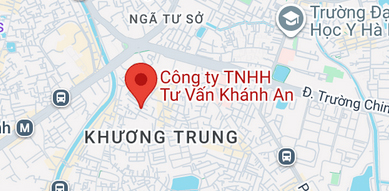
Address: 88 To Vinh Dien, Khuong Dinh, Hanoi, Vietnam
Website: khanhanlaw.com
Email: info@khanhanlaw.net